How to Create Impressive Business Cards

Updated: Feb 4
Creating Effective Business Cards: A Comprehensive Guide
Creating effective business cards is an art and a science. A well-designed card can open doors, spark conversations, and leave a lasting impression. But how do you make sure your card stands out in a sea of competitors? This guide will walk you through practical steps to design business cards that truly represent your brand and capture attention.
Understanding the Importance of Effective Business Cards
Business cards are more than just contact information on a small piece of paper. They are a reflection of your professionalism and brand identity. When designed well, they can:
Convey your brand’s personality
Make it easy for people to contact you
Serve as a mini portfolio of your style and values
To create effective business cards, you need to think beyond the basics. Consider the materials, layout, and message you want to communicate. For example, a minimalist design with clean fonts might suit a tech startup, while a creative agency might opt for bold colours and unique shapes.

Key Elements to Include in Effective Business Cards
When designing your card, focus on these essential elements:
Your Name and Job Title - Make sure your name is prominent and your role is clear.
Company Name and Logo - This helps with brand recognition.
Contact Information - Include phone number, email, and website.
Social Media Handles - Only add relevant platforms where you are active.
Whitespace - Don’t overcrowd the card; leave space for readability.
Use fonts that are easy to read and colours that align with your brand palette. Avoid using too many fonts or colours, as this can make the card look cluttered.
Choosing the Right Materials and Finishes
The tactile experience of a business card can make a big difference. Here are some popular options:
Paper Stock: Thick cardstock feels premium and durable.
Matte Finish: Offers a smooth, non-glossy look that reduces glare.
Glossy Finish: Makes colours pop but can be reflective.
Textured Paper: Adds a unique feel, such as linen or recycled paper.
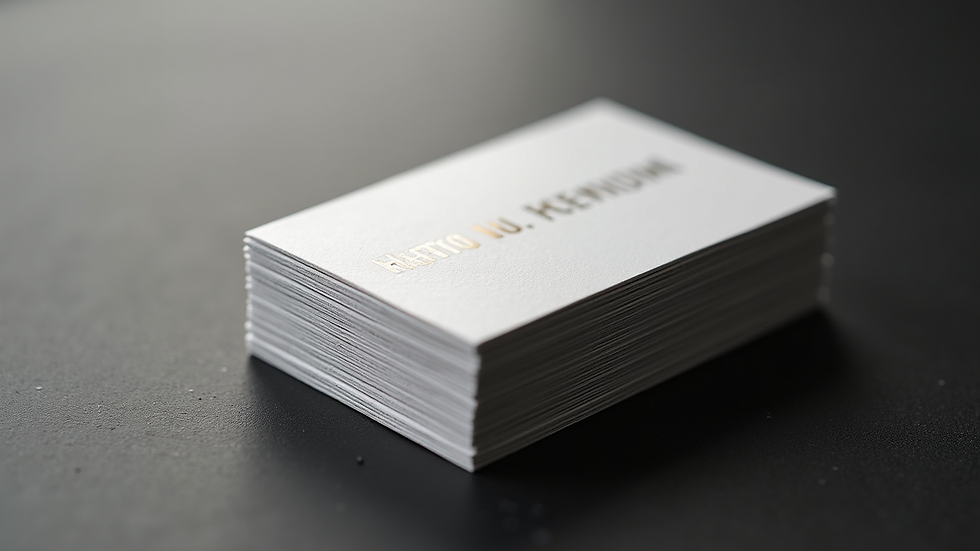
Special Effects: Embossing, foil stamping, or spot UV coating can add luxury and highlight key details.
For example, a textured linen card with embossed lettering can convey sophistication and attention to detail. Consider your brand’s personality when selecting materials.

Design Tips for Maximum Impact
To make your business card memorable, follow these design tips:
Keep it Simple: Avoid clutter by focusing on key information.
Use Contrast: Make text stand out against the background.
Incorporate Your Brand Colours: Consistency helps with recognition.
Add a Unique Element: This could be a QR code, a custom illustration, or an unusual shape.
Double-Sided Cards: Use the back for additional info or a call to action.
For instance, adding a QR code that links to your portfolio or website can encourage recipients to engage with your brand digitally. This modern touch can set you apart from traditional cards.
How to Get Your Business Cards Printed Professionally
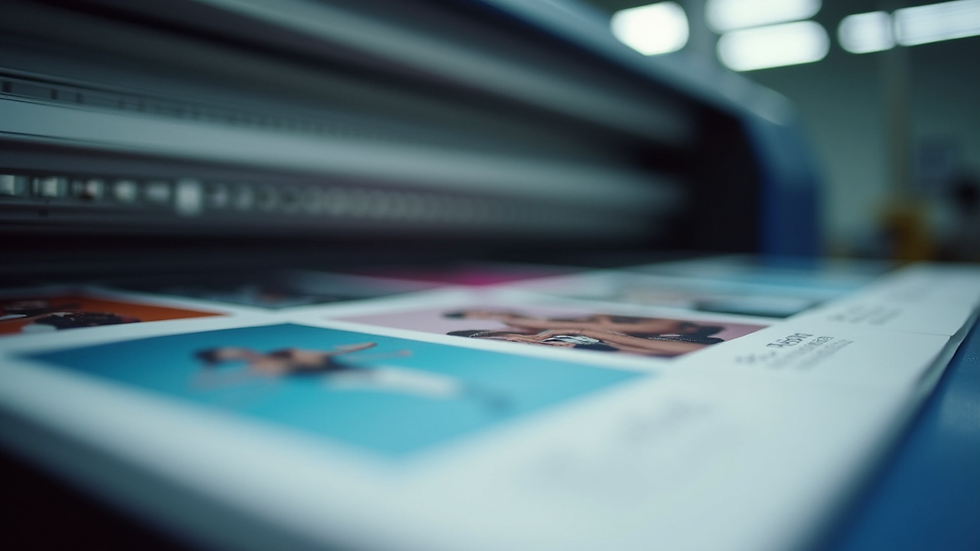
Once your design is ready, it’s time to print. Professional printing services offer quality and options that home printers cannot match. Here’s what to consider:
Choose a Reputable Printer: Look for reviews and samples.
Request Proofs: Always check a physical proof before the full print run.
Order in Bulk: This reduces cost per card.
Consider Turnaround Time: Plan ahead to avoid delays.
You can explore various printing companies online or locally. Many offer customisation tools and expert advice to help you perfect your design.
For more inspiration and professional services, check out business cards.
Making the Most of Your Business Cards
Having impressive business cards is just the first step. Use them strategically:
Carry Them Everywhere: You never know when you’ll meet a potential client.
Hand Them Out Thoughtfully: Give cards to people genuinely interested in your services.
Follow Up: When you meet someone, mention your card and follow up with a message referencing your meeting.
Keep Your Cards Updated: If your contact info or branding changes, order new cards promptly.
By treating your business cards as a key marketing tool, you can maximise their impact and build stronger connections.
Conclusion
Creating effective business cards requires attention to detail, creativity, and strategic thinking. By focusing on design, materials, and how you use your cards, you can make a powerful impression that lasts long after the initial handshake. Remember, your business card is often the first impression you make. Make it count!
In summary, an effective business card is not just a piece of paper; it is a powerful tool that can enhance your networking efforts. By incorporating the right elements and strategies, you can ensure that your business card stands out and effectively represents your brand.

Comments