Essential Artwork Printing Tips for Achieving High-Quality Results

Creating stunning prints from your digital or physical artwork requires more than just sending a file to a printer. Achieving high-quality artwork printing involves understanding the technical details, choosing the right materials, and preparing your files correctly. This guide will walk you through practical steps and expert advice to help you produce vibrant, sharp, and professional prints every time.
Understanding the Basics of Artwork Printing Tips
Before diving into the technicalities, it’s important to grasp the fundamentals of printing artwork. The quality of your final print depends on several factors including resolution, colour management, and the type of printer used.
Resolution: Always use high-resolution images. A minimum of 300 DPI (dots per inch) is recommended for clear, crisp prints. Lower resolution images may appear pixelated or blurry.
Colour Mode: Use CMYK colour mode for printing instead of RGB. CMYK is designed for print and ensures colours appear as intended.
File Format: Save your artwork in formats that preserve quality such as TIFF, PDF, or high-quality JPEGs.
By mastering these basics, you set a strong foundation for excellent print results.
Key Artwork Printing Tips for Superior Quality
To elevate your prints from good to exceptional, consider these detailed tips:
Choose the Right Paper and Material
The choice of paper or printing material significantly affects the look and feel of your artwork. Glossy papers enhance colour vibrancy and sharpness, while matte papers offer a more subdued, elegant finish. For fine art prints, consider textured or heavyweight papers that add depth and character.
Calibrate Your Monitor and Printer
Colour calibration ensures that what you see on your screen matches the printed output. Use calibration tools to adjust your monitor’s colour settings. Similarly, ensure your printer is regularly maintained and calibrated to avoid colour shifts and inconsistencies.
Use Professional Printing Services
While home printers are convenient, professional printing services provide superior equipment and expertise. They offer a range of printing options including giclée, screen printing, and large-format printing, which can handle complex colour profiles and large sizes with precision.

Prepare Your Artwork Correctly
Before printing, check your artwork for any issues:
Bleed and Margins: Include bleed areas to avoid white edges after trimming.
Proofing: Print a small proof to check colours and details.
File Size: Ensure your file size is appropriate for the print dimensions to avoid pixelation.
How to Optimise Artwork Files for Printing
Optimising your artwork files is crucial for achieving the best print quality. Here are actionable steps:
Set the Correct Resolution: Confirm your artwork is at least 300 DPI at the final print size.
Convert Colours to CMYK: Use design software like Adobe Photoshop or Illustrator to convert your files.
Embed Fonts and Images: When saving PDFs, embed all fonts and linked images to prevent missing elements.
Flatten Layers: Flatten complex layers to avoid printing errors.
Use Vector Graphics When Possible: Vector images scale without losing quality, ideal for logos and text.
These steps help avoid common printing problems such as colour mismatches, blurry images, and missing fonts.
Selecting the Best Printing Techniques for Your Artwork
Different printing techniques suit different types of artwork and purposes. Understanding these options helps you choose the best method:
Giclée Printing: Uses high-quality inkjet printers and archival inks. Ideal for fine art reproductions with rich colours and longevity.
Screen Printing: Best for bold, graphic designs on textiles or posters. It offers vibrant colours but is less suited for detailed images.
Lithography: Traditional method for mass production of prints with excellent colour fidelity.
Digital Printing: Fast and cost-effective for small runs, suitable for photographic prints and detailed artwork.
Choosing the right technique depends on your artwork style, budget, and intended use.
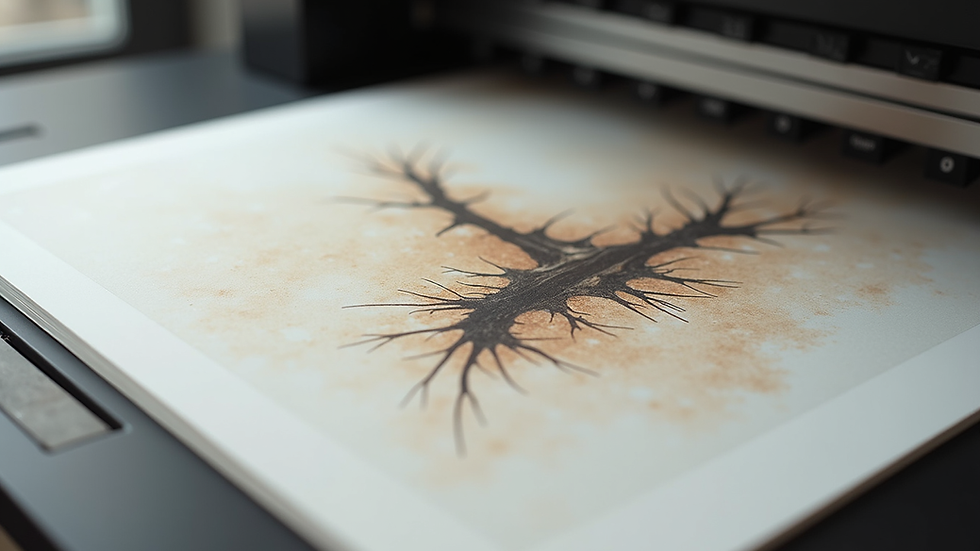
Maintaining Your Prints for Longevity and Display
Once you have your high-quality prints, proper care ensures they remain vibrant and undamaged:
Use Archival Materials: Frame prints with acid-free mats and UV-protective glass.
Avoid Direct Sunlight: Prolonged exposure can fade colours.
Store Properly: Keep unframed prints flat in a cool, dry place.
Handle with Care: Use clean hands or gloves to prevent oils and dirt.
By following these maintenance tips, your artwork will look stunning for years to come.
Achieving high-quality artwork printing is a blend of technical knowledge, careful preparation, and choosing the right materials and services. Whether you are printing a personal project or professional portfolio, these tips will help you produce prints that truly reflect the beauty and detail of your original artwork.

Comments